
In this guide
You’d be forgiven for assuming there’s little life in Death Valley, California, but contrary to its name, this national park is teeming with rare and diverse wildlife. Within one of the harshest environments on Earth hides a surprisingly diverse ecosystem, where adaptability and resilience have proven the strength of evolution and the will to survive. Embarking on a trip to Death Valley is an exhilarating experience for adventurers of all kinds, but for wildlife lovers especially, this seemingly barren landscape hides many secrets.
In this short guide, we’ll uncover the impressive fauna you could be lucky enough to encounter while exploring Death Valley National Park.

Mammals
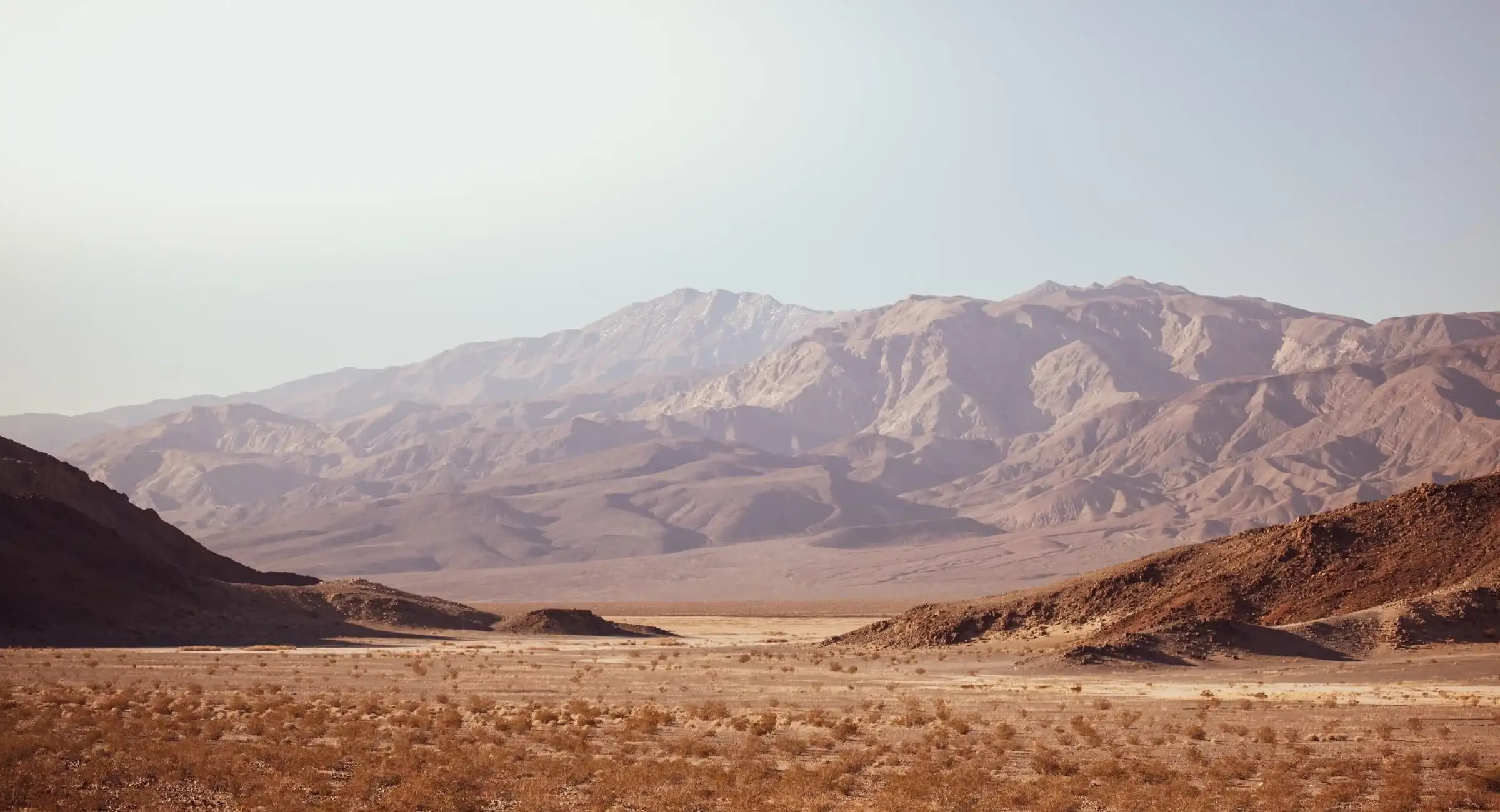
At first glance, the vast mosaic of salt flats, sand dunes, badlands, canyons and mountains of Death Valley appear to be nothing more than arid remnants from a more fertile time, but though the ancient lakes are now bone dry, some species continue to thrive here.
Amongst the mammals found throughout the park are coyotes and the desert bighorn sheep. Both are agile creatures that can sometimes be spotted scaling the steep slopes of the mountains that surround the valley, their keen sense of smell and sharp eyesight helping them locate scarce water sources.
Smaller mammals, such as the kangaroo rat, have adapted to be able to metabolize water from the seeds they eat, allowing them to survive without ever needing a drop of water. If you don your binoculars and wait patiently, you may be able to spot one of the several species of rabbit or mice that populate the park as they scurry about the desert and find shelter from the blazing sun.
Birds
Death Valley is a vital habitat and migratory stopover for hundreds of species of birds, from hummingbirds to coots to meadowlarks. If you’re an avid birdwatcher, you’ll want to time your visit to coincide with the few weeks in the spring and fall when the valley comes to life with birdsong.
From late April to early May, the northbound migration is at its peak. Head to Furnace Creek Ranch to find hundreds of stunning birds busying themselves ahead of the nesting season, or enjoy a challenging hike up through the Panamint Mountains to get up close with birds building homes in the bristlecone pines, the oldest known living trees. Throughout August to September, the fall migration sees most of the birdlife leave the valley, and few remain over the winter months. Whether you visit in the spring or autumn, witnessing the vibrant splashes of color and the echo of birdsong amidst the stark desert landscape is an awe-inspiring experience.

Reptiles, arachnids and insects
Reptiles, arachnids and insects are known for being particularly adept at surviving extreme temperatures and conditions, and those who call Death Valley home are no exception. The desert tortoise is a threatened species which spends much of its time in underground burrows, escaping the sun, whilst the sidewinder rattlesnake moves in a unique sideways pattern to help it traverse the loose sand of the desert. There are many more species of snakes and lizards throughout the park, and even desert iguanas in areas of mesquite hummocks and low canyons.
Of course, safety is paramount when exploring this national park, especially as the area has a population of potentially deadly black widow spiders, scorpions and rattlesnakes. Never place your hands or feet where you can’t see first, and always be mindful of where you step to avoid disturbing any habitats.
Observing responsibly
It’s wonderful to be able to experience the diversity of Death Valley’s wildlife first-hand, but exploring responsibly helps protect the park and its wildlife. Keep to the designated trails and be sure to take plenty of water to stay hydrated in the intense heat of the valley. Observing wildlife from a distance will ensure both they, and you, stay safe.
Out of phone signal on a long trail? Here is how to stay on track when hiking without internet.
More from the Journal