In this guide
Lay out your camping gear in the order you’ll use it. Before your first camping trip, try pitching your shelter and cooking dinner with just what you’ve set aside. A missing pot lid is easier to find at home.
Camping Checklist: 17 Things to Take Camping
Print the table and tick each box as you load up. If friends are bringing something, write their names next to it.
| Item | What it is for |
|---|---|
| ☐ Tent, or a covered hammock, with its pegs | Somewhere to sleep |
| ☐ Ground blanket | Sitting on the ground, away from mud |
| ☐ Cooler | Keeping food and drinks cool |
| ☐ Bedding: pad, sleeping bag, liner, pillow | A place to stretch out |
| ☐ Awning | Cover from sun and rain |
| ☐ Towels | Drying off after a shower or a swim |
| ☐ Hiking boots | Walking the trails |
| ☐ Firewood and firestarter | A campfire |
| ☐ Fire sticks | Roasting marshmallows and moving firewood |
| ☐ Camp chairs | A seat off the ground |
| ☐ Folding table | A surface for food, drinks and supplies |
| ☐ Flashlight or lantern | Seeing after dark |
| ☐ A hat | Shade for your face |
| ☐ Food | Meals at camp |
| ☐ Water | Drinking through the day |
| ☐ Cooking equipment and utensils | Preparing food |
| ☐ Trash bags | Collecting your trash |
Car camping: what goes in the trunk?
Leave the gear you want first within reach of the hatch. Slide the table and chairs in first, then put the shelter by the hatch and keep a light in the door pocket. If you arrive around dinnertime, give the food for that meal its own bin so you can hand it to the cook while you set up.
Tent camping: what goes inside?
Set aside a dry bag for the things you want beside you overnight: sleep clothes, socks and a light. If you’re sharing the tent, spread everyone’s bedding out together before you leave home. Check that the door opens with the beds in place and decide where muddy shoes will go.
Tents
When choosing a tent, lay your bedding side by side and leave a path from your sleeping spot to the door. If you’re sleeping in a camper or a covered hammock, cross the items you won’t need off the shelter row.
Pack the poles, pegs and the tent fly with the shelter. If you plan to pitch a tarp over the entrance, put its lines in the same sack.
Ground Blanket
Pick a spot for your ground blanket where you can sit to take off muddy boots. If you are still deciding, here is how to choose a camping blanket.
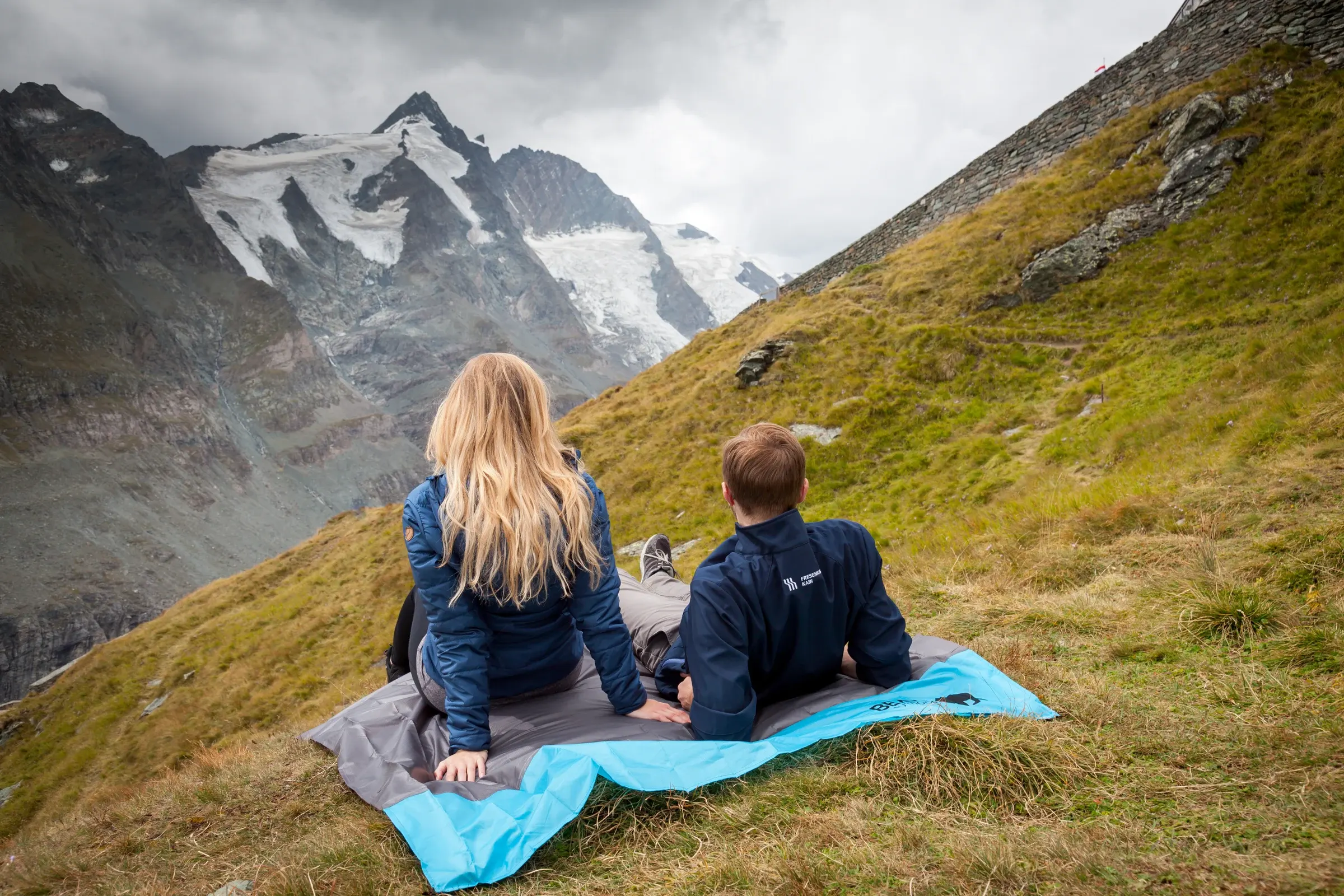
There are all sorts of ground blankets available on the market today, like this one right here, our own Pocket Blanket. It is a thin ground cover for two adults, not a blanket to sleep under.
Cooler
Set tonight’s ingredients near the top. Try closing the lid with tomorrow’s breakfast and the ice packs in place.
Bedding: Sleeping Pad or Air Mattress
Unroll your sleeping pad inside the shelter at home. Lie down, reach for the zipper and check whether your feet push against the end wall. If your bed inflates, put the pump or pump sack beside it when you pack.
Try your sleeping bag on the pad with your camping pillow in place. If you’re sharing a double sleeping bag, check whether your mats meet in the middle. If you prefer a mummy bag, zip it up and try turning onto your side before deciding what to take.
Awning
Decide where the group will eat if it rains before you make room for an awning.
For the rest of your weather planning, see our camping safety tips.
Towels
Pack a towel with your swim or shower things and leave a spot to hang it afterward.
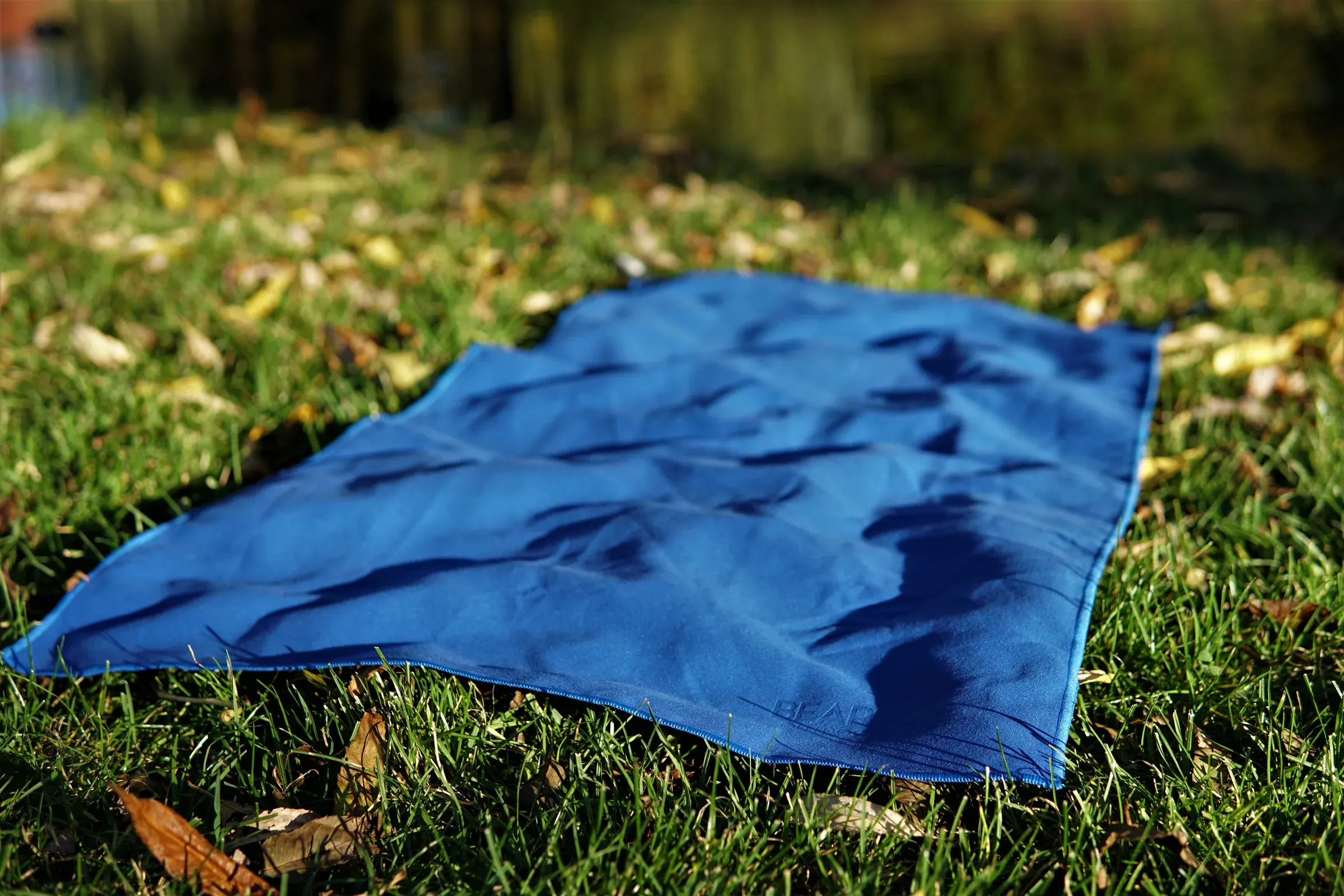
Our own travel towel is 48 x 24 in (120 x 60 cm) and comes with a face cloth, a carry bag and a carabiner.
Hiking Boots
Wear the boots you’d choose for the same walk at home. Set the socks you plan to wear inside the boots so they leave the house together.
Firewood
Check your campground’s fire information while planning the trip. Plan a dinner you can make without a wood fire, then decide whether an evening by the fire ring belongs on this trip.
Fire Sticks
If roasting marshmallows is on the menu, put the roasting sticks with the dessert supplies. Keep a sleeve or bag handy for the sticky ends on the way home.
Camp Chairs
Set up your folding seat beside the table and try eating from it. For long evenings with a book, try leaning back in it, too. On a walk-in trip, try carrying the folded chair with your pack on before committing to it.
Folding Table
When comparing campsites, check which come with a picnic table. At a site with a table, clear a corner for meal prep before everyone settles in. If you’re bringing a folding table, open it at home and see whether there’s a flat surface left for serving once the cookware is laid out.
Lighting: Headlamp or Lantern
Try your headlamp while using both hands to fasten a tent clip. Adjust the strap, then put the light in your jacket pocket for arrival. For a shared meal, set a lamp on the table and try reading the labels on your food containers from your seat.
A Hat
Try your hat on with the pack you’ll hike in and check whether the brim catches when you look up. Camping at a festival? Here is what to wear to a festival.
Food
Write down what you’d like to eat when you arrive and what you’ll have before you break camp. For each meal, set out the ingredients with whatever you’ll use to open, prepare and serve them. If lunch is apples and cheese, put the pocket knife beside the cutting board. If breakfast is cereal, leave the frying pan behind.
Water
Check where you’ll refill at camp. Fill your drinking bottle before the drive, then put the larger water container where you can pour from it without emptying the trunk.
Camp Stove and Cooking Gear
Build the camp kitchen around a meal you actually cook. For pasta, pack a lidded pot, a strainer and a spoon for the sauce. Nest the utensils in the pot and tuck the opener alongside any cans you’re taking.
If a friend is bringing a propane stove, agree on who will bring the fuel. Put everything you need to serve dinner in the same box, down to the bowls. Leave space for the used dishes on the way back.
Trash Bags
Keep a spare roll with the food bin so there’s a bag to hand as soon as you open dinner. Set aside a spot for the full bag on the drive home.
First aid kit and insect repellent
Pick a pocket for the first aid kit and show everyone where it is while you load up. Check for empty wrappers and replace anything you used on your last outing. If the group will split up for a hike, decide who will carry the kit away from your campsite.
Pack your toothbrush and wipes in a toiletry pouch you can take to the washroom. Put the insect repellent where you can reach it when you get dressed for the trail. Leave a small bag in the pouch for used wipes.
Packing questions
What are the most essential items to pack for a camping trip?
Start with shelter, bedding, water, food and a light you can reach after dark. Set those aside before deciding on extras.
What do campers commonly forget to pack?
Check the little pieces that go with big items. Look for pegs with the shelter, batteries with the lights and a serving spoon with the dinner pot. Leave a last-minute note by the door for the food still in the fridge.
What items are used for camping?
Think through an evening at camp. You’ll use something to sit on while you eat, a light for the walk back from the washroom and bedding when you turn in. Choose comfort items for the part of the evening you enjoy most.
How much should you take if you’re backpacking?
Pack what you’ll need to carry between the trailhead and your sleeping spot. Try the loaded pack on at home, then decide whether you’d still choose a seat with a backrest over a spot on your ground cover.
What should you buy for a first family trip?
Start with what you can borrow, then fill the gaps in shelter, bedding and cookware. Give each child a bag for pajamas, a favorite bedtime toy and tomorrow’s clothes. Before buying a set of camp dishes, count the bowls, mugs and spoons you can bring from home.
How do you divide shared gear?
Use group size to decide how many bowls and seats you need to pack. Give each person a named job, such as bringing breakfast or packing the shelter, and trade lists before you leave.
Looking for Other Things to Take Camping?
Looking for other such items? Pack a deck of cards for rainy hours in the tent: here are four card games for camping.
More from the Journal