In this guide
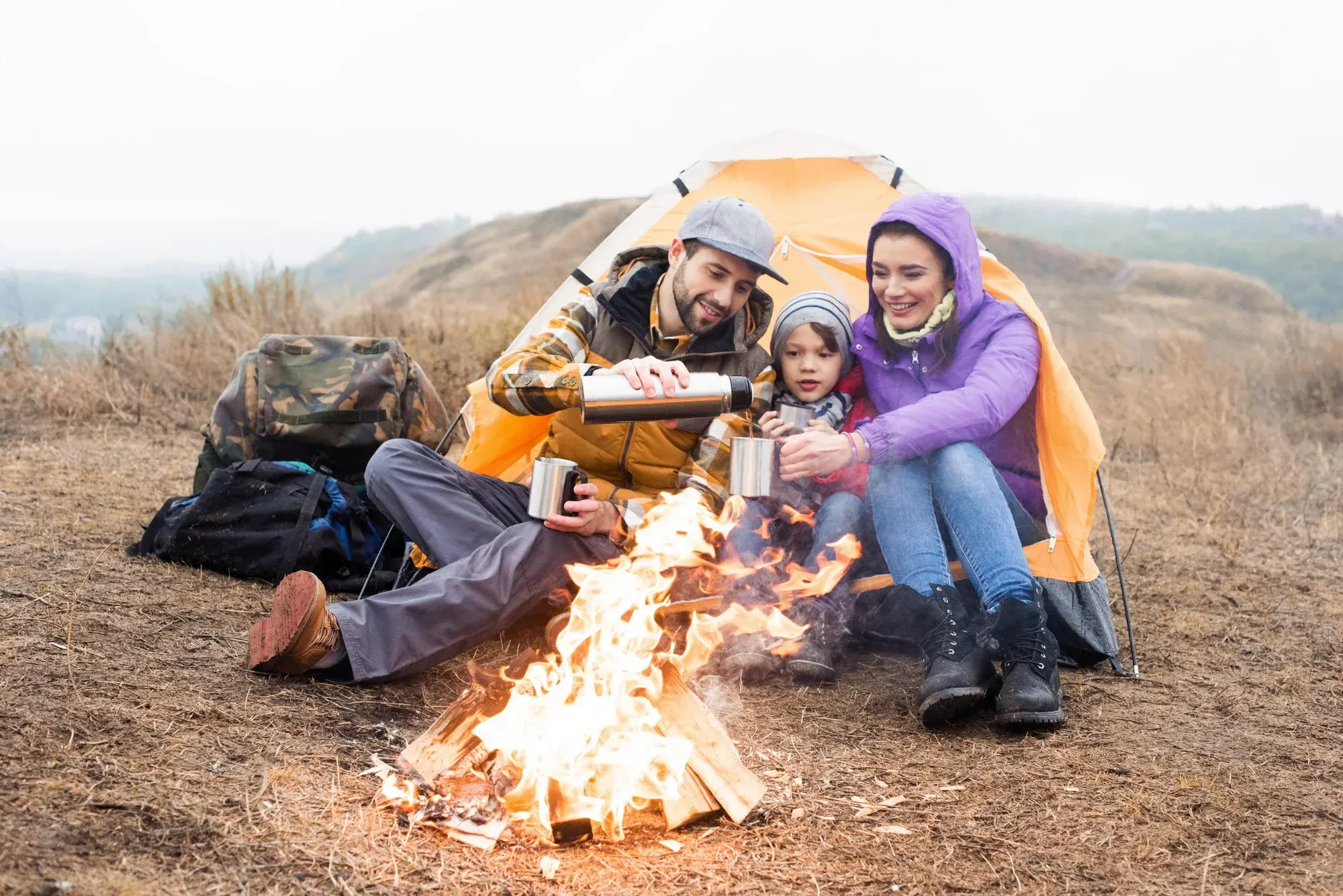
Are you looking to take yourself and your family into the great outdoors for the first time? Are you intrigued by the idea of camping and getting away from it all? If so, then you need to learn a few camping safety tips before venturing out into the wild.
Doing so can help keep you informed during your travels. You’ll be more alert to potential danger, know exactly what to pack for the trip (see our list of camping essentials), and what to expect while you’re out there.
See below for five tips. The first is about comfort. The other four are about staying safe when camping.
- For comfort, bring dry seating for everyone.
- Pack every part of your tent, pegs included.
- Check the forecast for the campground, and know where to go in a thunderstorm.
- Treat water from streams and lakes before you drink it.
- Give wildlife room, and store your food.
1. For Comfort: Bring Dry Seating for Everyone
This first tip is about comfort, not safety.
Ask any expert camper what you should bring in abundance and their answer might surprise you. They won’t tell you to bring an excess of food or light, (although those are important), they’ll tell you to bring an excess of seating.
The hardcore nature man’s answer to this would be “you have the ground to sit on”, but that isn’t necessarily a good idea. The ground might be wet or damp while you’re out there, so without proper seating, you’ll have no choice but to sit in wet grass and mud.
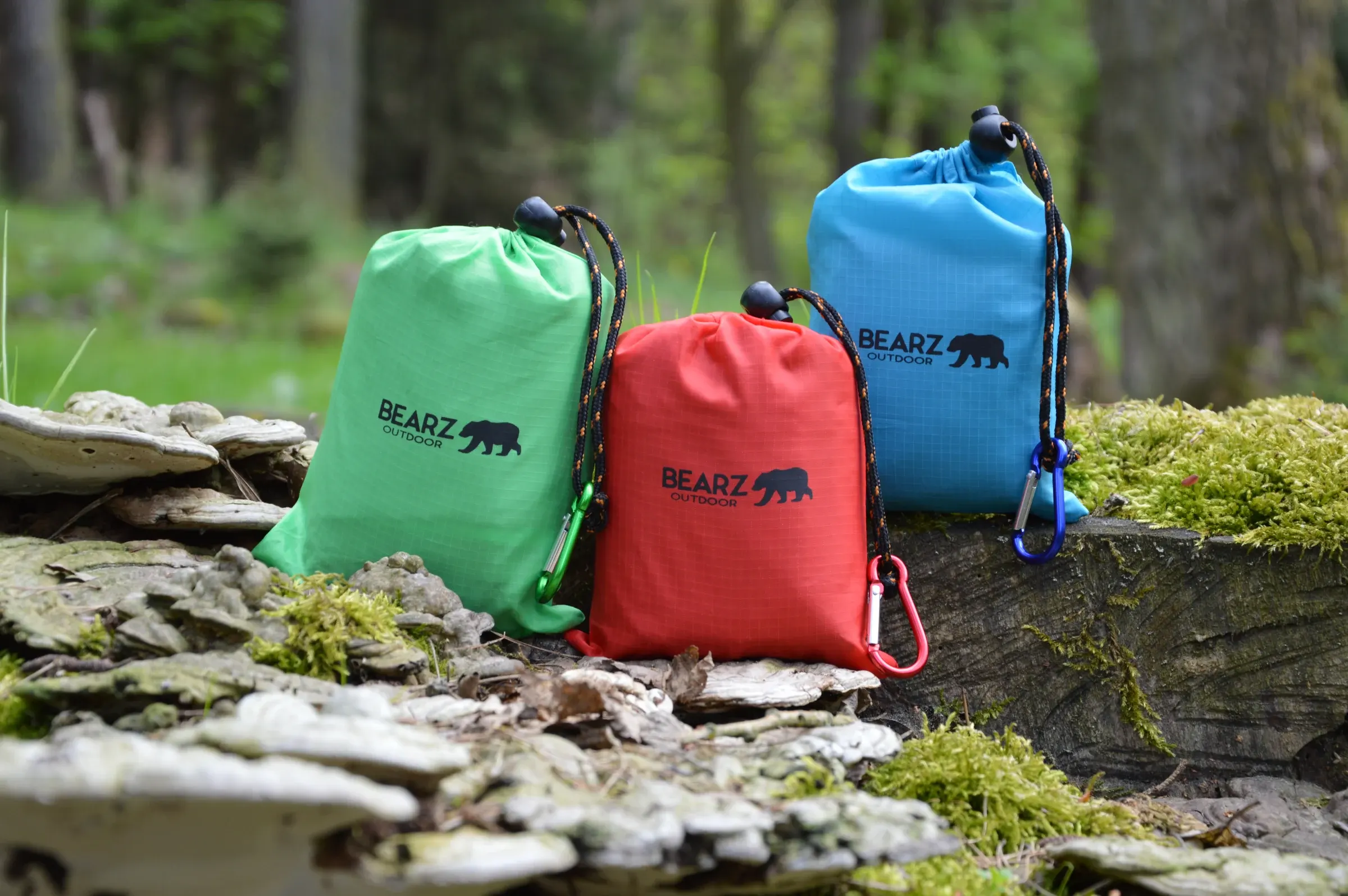
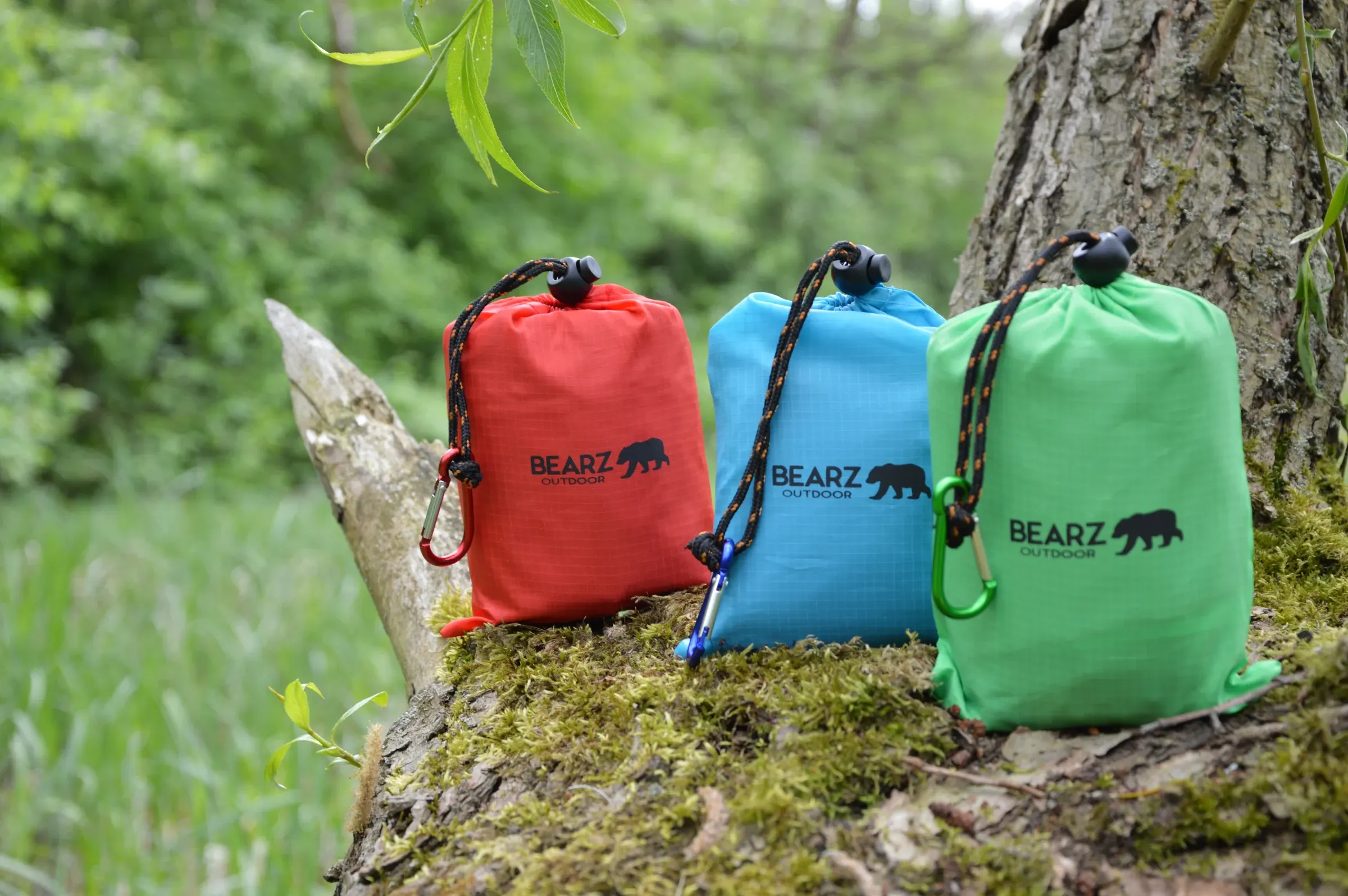
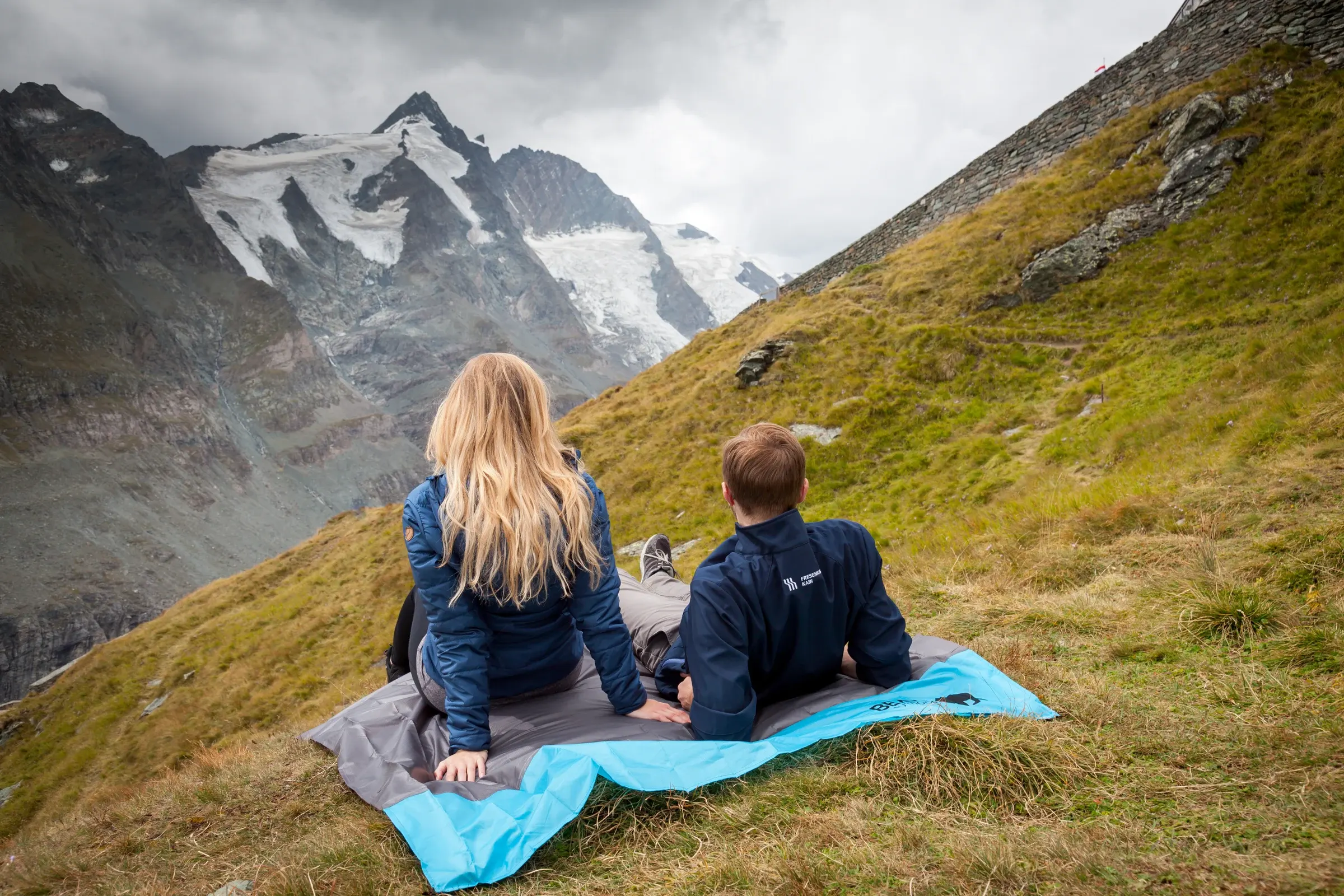
For that reason, it’s always a good idea to come prepared. Bring one foldable chair for every person that’s camping with you. A ground blanket, flannel blankets and towels are worth packing too, for anyone who would rather sit on the ground.
It’s always nice to bring extra blankets just in case one were to get dirty. That way, you can remain comfortable while taking in the wilderness around you! If you are still picking one, here is how to choose a camping blanket.
2. Pack Every Part of Your Tent, Pegs Included
Even if you’ve never camped in your life, you know the importance of bringing a tent to the campground. However, many campers arrive all the way to the campsite, only to find out they forgot all the tent accessories at home.
That can be especially heartbreaking if you’ve traveled several hours to arrive at the campsite with your family.
The accessories campers forget most often are the pegs that came with their tent. Without them, you’ll have no way of setting up the tent or anchoring it to the ground. Always keep them in the case you hold your tent in.
Count the pegs, poles and guy lines before you leave home.
3. Check the Weather Before You Leave
Imagine the horror of arriving at the campsite after an hour (or longer) of driving, checking the weather app on your phone, and finding that the forecast calls for bad weather during your entire stay.
Not only will that make the experience less enjoyable for you and your friends/family, but you also might not have packed for bad weather conditions.
Most importantly, getting caught outside during a thunderstorm is dangerous. The National Weather Service says a tent offers no protection from lightning, and neither does an open-sided picnic shelter. If you hear thunder, go to a hard-topped vehicle or a substantial building. Wait 30 minutes after the last rumble of thunder before you go back to the campsite.
Check the forecast for the campground itself, not only for your home. The forecast for the outdoor area you plan to visit may be very different from the one near your home.
Just to be thorough, take a gander at a few different forecasting sources to double-check. Look at the National Weather Service forecast at weather.gov, weather.com, or the weather app on your phone to gain more peace of mind before you head out.
4. Drink Clean Water Only
Don’t let the movies deceive you, it’s never a good idea to cup water from a stream and drink it. It could contain harmful pathogens that can cause sickness. The National Park Service warns that water in a stream, river or lake may look clean and still carry bacteria, viruses and parasites.
Instead, make sure to pack some water for the trip. It never hurts to stock up on a case or two of bottled water and keep it stored in your car (if your vehicle will remain close by).
If you plan to use water from the outdoors, purify it first. Boiling kills disease-causing organisms: bring the water to a rolling boil for 1 minute, or for 3 minutes above 6,500 feet. A filter alone does not purify water. If you use disinfection tablets or drops, follow the maker’s instructions and wait the full contact time.
In hot weather, drink plenty of water throughout the day, even if you don’t feel thirsty.
5. Don’t Interact With Wildlife
It’s important to remember that while you’re out in the wilderness camping, you’re in somebody else’s territory. Namely, the wild animals and critters that call the campsite their home.
No matter how cute, cuddly, or cool the wild animal might be, never try to interact or interfere with it. Some animals carry diseases, while others will bite, sting, scratch, or flat out attack you if provoked.
Whenever a wild animal comes into sight, be respectful of them. Keep a safe distance, don’t let anyone feed them, and (for the love of the wild!) don’t ever touch them.
How far is a safe distance? The National Park Service’s wildlife watching guidelines say many parks require at least 25 yards from most wildlife and 100 yards from predators like bears and wolves. Keep a clean campsite too, and store your food and garbage in the proper containers, so animals don’t learn to come looking for it.
Use These Camping Safety Tips to Your Advantage
Now that you have seen several camping safety tips that you can use to ensure an enjoyable and fulfilling camping trip, be sure to use them appropriately.
For more inquiries, please be sure to reach out via our contact us page and we will be happy to assist you further.
More from the Journal